Prostate Cancer: Meet Stuart
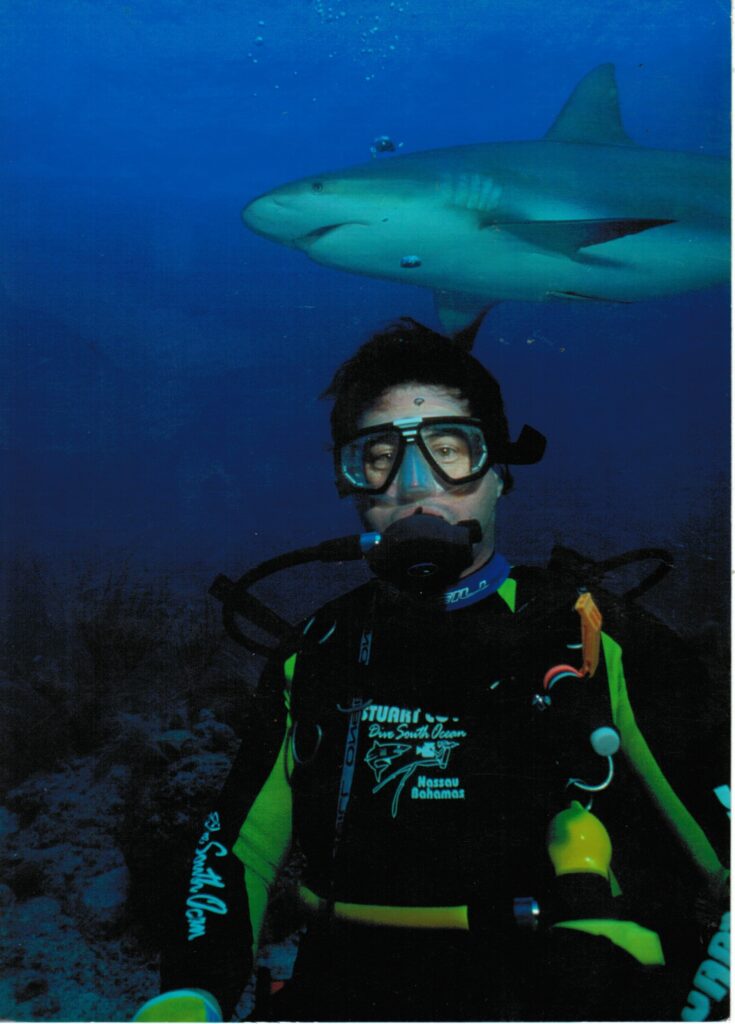
Scuba diving, sky diving, and piloting airplanes are among the challenging pursuits Stuart Bain, age 64, has mastered and taught others in his lifetime. When he received a diagnosis of prostate cancer, Stuart approached this newfound challenge much like all of the others: learn as much as you can about it and find an approach to maximize your survival. At the New York Proton Center, Stuart underwent proton therapy that treated his cancer while avoiding harming nearby vital organs. Today, Stuart is cancer free and back to flying his antique airplane and teaching aviation near his home on Long Island.
Stuart’s journey with prostate cancer began in 2025, when he went to his doctor for joint pain that Stuart thought may be caused by Lyme disease. His doctor ordered a series of blood tests that included a prostate specific antigen (PSA) test, a screening test for prostate cancer that measures the level of PSA in the blood. A normal PSA level is less than 4.0 ng/mL, and higher levels may indicate the presence of cancer.
“When the doctor called with my blood test results, he told me I didn’t have Lyme disease, but my PSA was 14, which is a lot higher than normal,” says Stuart. “He suggested I see a urologist about my elevated PSA.”
The urologist did a physical exam and a sonogram. “He told me my prostate was not enlarged, so I would need to do a biopsy to find out why my PSA was so high,” says Stuart. “The biopsy came back with cancer in four of the samples.”
In Search of the Best Treatment
Stuart was diagnosed with localized prostate cancer, which means the cancer was confined to the prostate gland. The urologist explained his treatment options were either surgery or radiation therapy. Concerned about the side effects of both, Stuart began to investigate other treatments.
Soon after his diagnosis, Stuart brought the topic up with his friends at the airport. “There are a whole bunch of us at the airport, and most are older guys, so I’m kind of the kid there,” says Stuart. “It turns out many of them have had prostate cancer and they told me all about their different treatment experiences.”
Around this time, Stuart received a phone call from a friend who lives in Florida. “My friend told me he had prostate cancer and underwent proton therapy,” says Stuart. “I had never heard of proton therapy, so I began to look into it.”
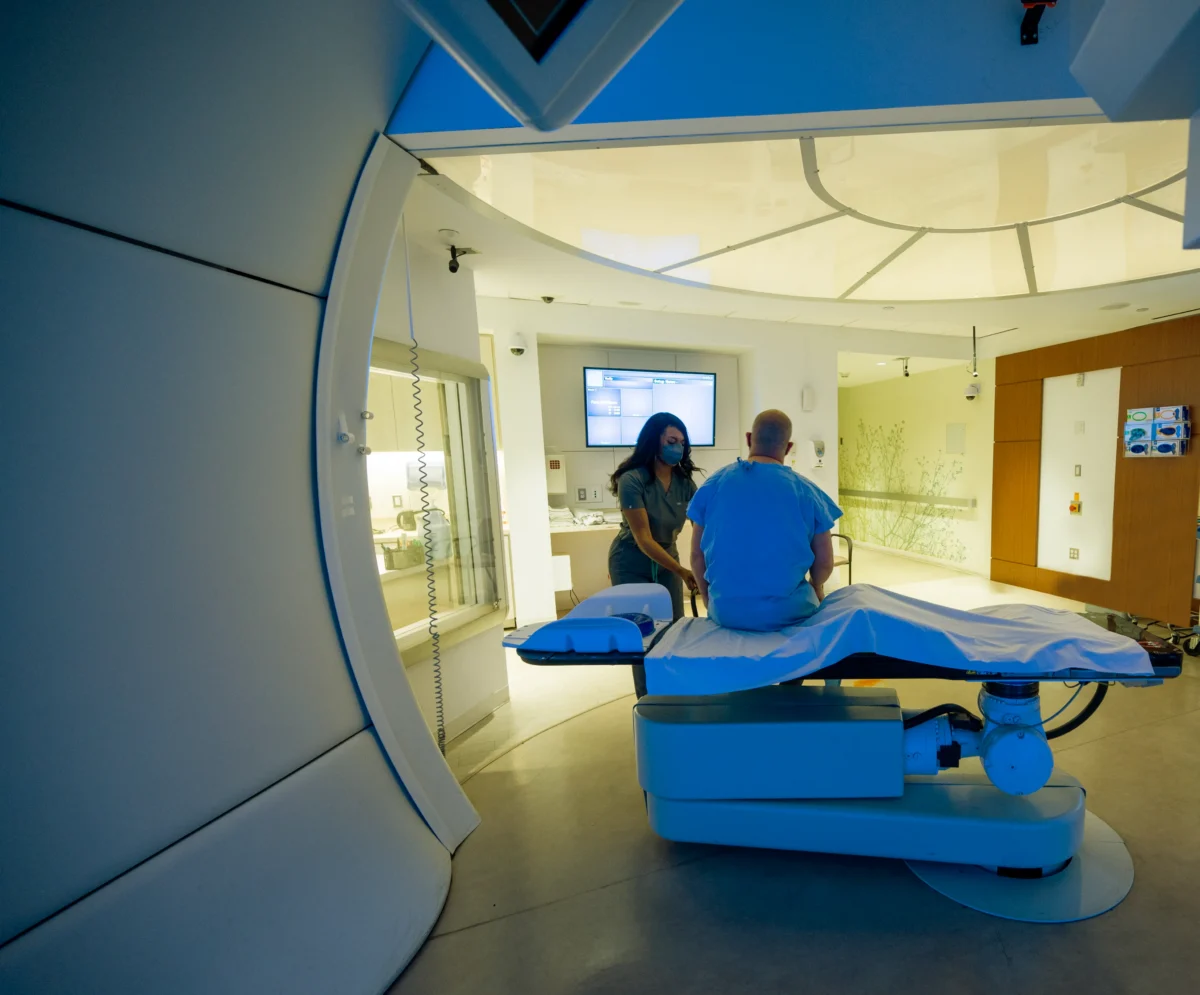
Proton therapy is a form of radiation therapy that uses protons instead of conventional X-rays to target and destroy cancer cells. Protons have unique physical properties that allow them to deposit most of their energy precisely at the tumor site, sparing healthy tissues surrounding the tumor. This precision is especially crucial in prostate cancer treatment due to the prostate gland’s proximity to vital organs such as the bladder, bowel, and rectum.
“After learning about the benefits of proton therapy, I was going to get on a plane and fly to Florida for the treatment,” says Stuart. “Fortunately, I found the New York Proton Center, which is closer to my home.”
Five Treatments, No Side Effects
At the NYPC, Stuart met with his radiation oncologist, Dr. Irini Yacoub, who specializes in the treatment of prostate cancer. Dr. Yacoub explained to Stuart that he was an excellent candidate for five-fraction SBRT (stereotactic body radiation therapy) proton therapy, which delivers a higher dose of proton therapy per treatment session over just five days, with sessions typically occurring every other day. The convenience of this accelerated treatment schedule enables patients to complete therapy more efficiently, reducing their time commitment without compromising outcomes.
Five-fraction SBRT proton therapy is appropriate for patients like Stuart with early stage, localized prostate tumors. It minimizes the radiation dose to the rectum, bladder, and penile bulb, which helps to ensure good quality of life after treatment.
In March 2026, Stuart began proton therapy at the NYPC . He drove to the city after work and received five treatments over two weeks.
“I work until 2:30 p.m., and my proton sessions were at 5 p.m.,” says Stuart. “The NYPC was hugely accommodating with my schedule. The people who work there are amazing.”
“The treatment was easy,” he continues. “I would walk in, have my proton therapy session, and was out the door like it was nothing.”
“The whole process was so easy that I began to question, Did it really work? Did something actually happen? I was so happy to learn it did.”
Proton therapy successfully treated Stuart’s cancer without disruptions to his lifestyle and without causing any side effects. On his last day of treatment, Stuart’s PSA level was 0.4. More recently, he took another PSA test which was less than 0.01. “My cancer is now undetectable,” says Stuart.
Advocating for Prostate Cancer Screening and Proton Therapy
These days, Stuart is enjoying spending time at the airport and helping other men become aware of prostate cancer and proton therapy. “We have meetings once a month at the airport,” says Stuart. “There are about 40 guys. One day I stood up at the meeting and said, ‘I just got diagnosed with prostate cancer. If any of you ever get diagnosed with prostate cancer, talk to me before you talk to anybody else.”
“I always recommend that they get their PSA test done,” adds Stuart. “I’ve become the prostate cancer boy at the Bayport Aerodrome.”
As a result of his positive experience at the NYPC, Stuart plans to volunteer as a peer mentor through NYPC’s Patient Alumni Network.
“Proton therapy is probably the easiest sell in the world to somebody who’s got prostate cancer,” says Stuart. “I tell them, ‘Do proton therapy immediately. Get it over with so you can get on with your life.”